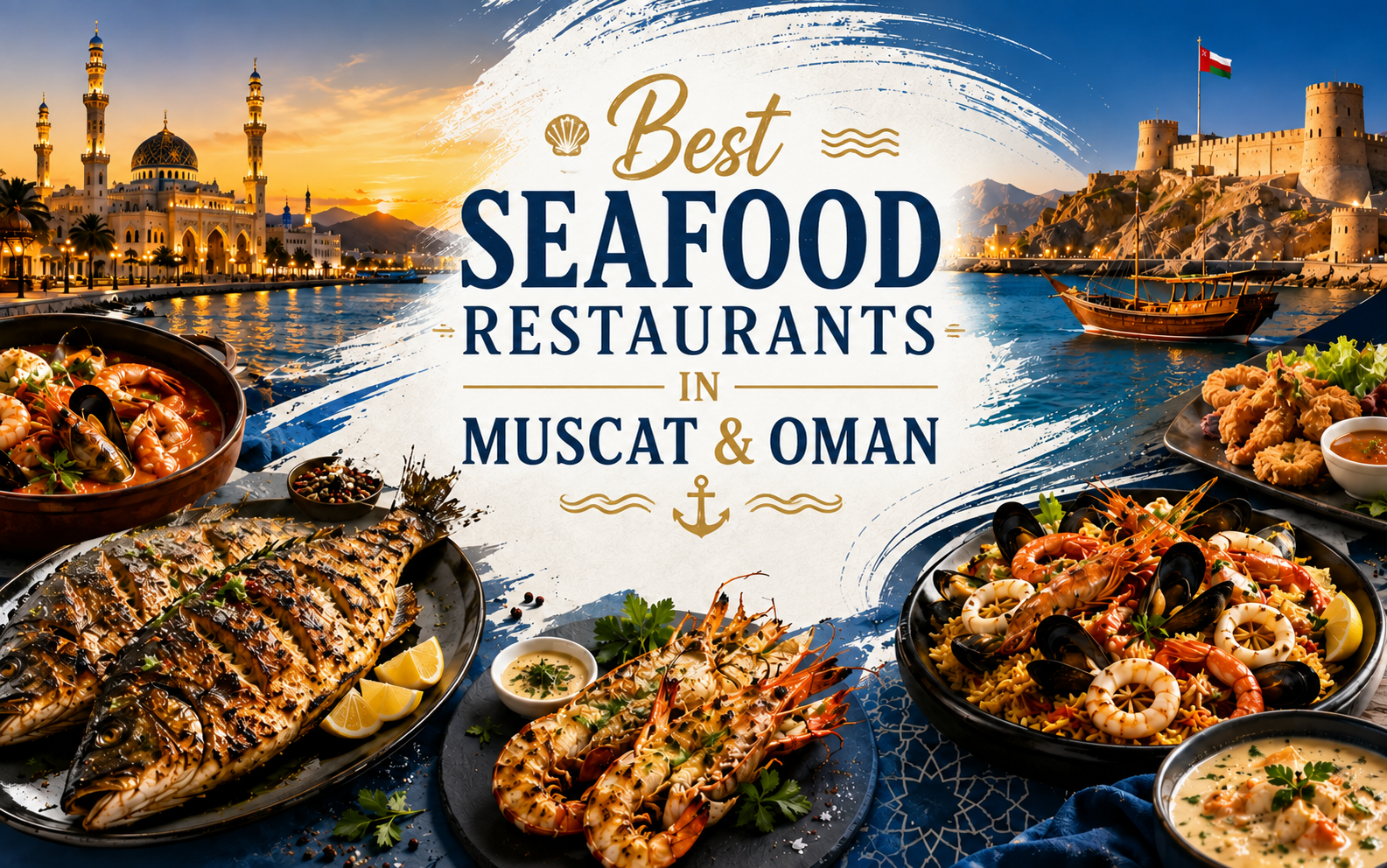
Omani cuisine is a reflection of the country's rich history as a maritime trading nation. Influenced by Indian, Persian, African, and Mediterranean flavors, Omani food is unique, aromatic, and deeply satisfying. Here are the top 10 must-try Omani dishes for 2026.
Did you know? Omani cuisine uses a unique spice blend called baharat that includes black pepper, cardamom, cloves, cumin, nutmeg, and dried limes.
Shuwa is more than just a dish — it is a celebration. Traditionally prepared during Eid Al Adha and Eid Al Fitr, Shuwa involves marinating lamb or goat in a complex spice paste for up to 24 hours, wrapping it in banana or palm leaves, and placing it in an underground sand oven (tanoor) where it slow-cooks for up to 48 hours. The result is the most tender, flavorful meat you will ever taste. The smoky aroma and melt-in-your-mouth texture make Shuwa an unforgettable culinary experience.
Mandi is a fragrant rice and meat dish that originated in Yemen but has become a staple across Oman. The meat (chicken, lamb, or camel) is cooked with basmati rice, saffron, cardamom, bay leaves, and black lime (loomi). The traditional cooking method uses a tandoor (underground clay oven), which gives the dish its distinctive smoky flavor. Mandi is typically served on a large communal platter, making it perfect for family gatherings.
With over 3,000 kilometers of coastline, it is no surprise that seafood features prominently in Omani cuisine. Mashuai is a beloved dish made from spit-roasted kingfish served with fragrant lemon-infused rice. The kingfish is marinated with Omani spices and slow-roasted until perfectly flaky. It is served with a tangy sauce that perfectly complements the richness of the fish. A must-try for seafood lovers visiting Muscat or Sur.
Harees is a simple yet deeply satisfying dish made from coarsely ground wheat and meat (usually chicken or lamb) slow-cooked together until they form a smooth, porridge-like consistency. It is seasoned lightly with cinnamon and cardamom, then topped with ghee (clarified butter) before serving. Harees is especially popular during Ramadan for Iftar and during weddings. It is gentle on the stomach and packed with nutrition.
No Omani meal is complete without Kahwa — traditional Omani coffee flavored with cardamom, saffron, and sometimes rose water. It is served in small handleless cups (finjan) along with dates. The coffee is light in color (almost like tea) and mildly spiced. The Omani coffee ceremony is a symbol of hospitality — you will be offered Kahwa wherever you go in Oman, from government offices to family homes.
Omani Halwa is a dense, gelatinous dessert made from sugar, rose water, saffron, nuts (almonds, cashews, walnuts), and ghee. It is completely different from the crumbly Middle Eastern halwa most people know. Omani Halwa is glossy, aromatic, and incredibly rich. It is traditionally served with Kahwa (Omani coffee) during celebrations, weddings, and as a gesture of welcome to guests. Every region in Oman has its own variation — Muscat Halwa is darker, while Nizwa Halwa is lighter with more nuts.
Mishkak is Oman's answer to grilled meat skewers. Cubes of marinated meat (beef, chicken, or camel) are threaded onto skewers and grilled over charcoal. The marinade typically includes yogurt, garlic, chili, and Omani spices. Mishkak stalls are found along highways and in local neighborhoods, especially in the evening. They are served with Omani bread (khubz) and spicy chutney. Affordable, delicious, and authentically local.
Maqbous (also known as Kabsa in other Gulf countries) is a spiced rice dish similar to Mandi but with a different spice profile. The rice is cooked with tomatoes, onions, and a blend of Arabic spices, giving it a reddish color. Chicken or lamb is cooked separately and served on top. Maqbous is a staple in Omani homes and is served at almost every family gathering. The secret to great Maqbous is the spice mix — every family has their own recipe.
A heartier version of Harees made with lamb and whole wheat berries. This dish requires hours of slow cooking until the meat and wheat meld into a creamy, savory porridge. It is topped with cinnamon and ghee before serving. Harees Laham is a winter favorite, providing warmth and sustenance during the cooler months. It was traditionally a Bedouin dish, providing energy for long desert journeys.
Qabooli is a lesser-known but incredibly delicious Omani rice dish made with chickpeas, raisins, and fragrant spices. The combination of savory rice with sweet raisins creates a unique flavor profile that surprises and delights. Qabooli is often served at Friday family lunches and special occasions. It represents the influence of Indian cuisine on Omani food, with the use of chickpeas and aromatic spices.